Anodised Aluminium Handrails - The Benefits
Glass Balustrades | Juliet Balconies | Galleries | Articles | Case Studies
The origin of the word Aluminium
The metal derives its name from alumen, the Latin name for alum.
In 1761 L. B. G de Morveau proposed the name alumine for the base in alum, and in 1787 Lavoisier definitely identified it as the oxide of a still undiscovered metal.
In 1807 Sir Humphrey Davy proposed the name aluminum for this metal and later agreed to change it to aluminium so as to conform to the "ium" ending of most elements.
Shortly thereafter, the name aluminium was adopted, and this spelling is now in general use throughout the world.
Aluminium was also the accepted spelling in the United States until 1925 when the American Chemical Society officially reverted to aluminum.
What are the advantages of Aluminium over other metals?
Abundant and Eco Friendly
Aluminium is the most abundant metallic element in the earth's crust. In fact after oxygen and silicon it is the third most abundant of all elements in the crust.
Because of its strong affinity to oxygen, it is not found in the elemental state but only in combined forms such as oxides or silicates. Recycling reduces the CO2 footprint of an aluminium component even further, by about 80%. And aluminium can be recycled again and again, using only 5% of the energy needed for primary production.
In Germany, the remelting rate amounts to 100 percent in the production chain; more than 90% is recycled in the traffic sector, more than 85% in construction, and a total of 75% in packaging. These are all major areas where the use of aluminium products benefit energy-efficient solutions in many ways.
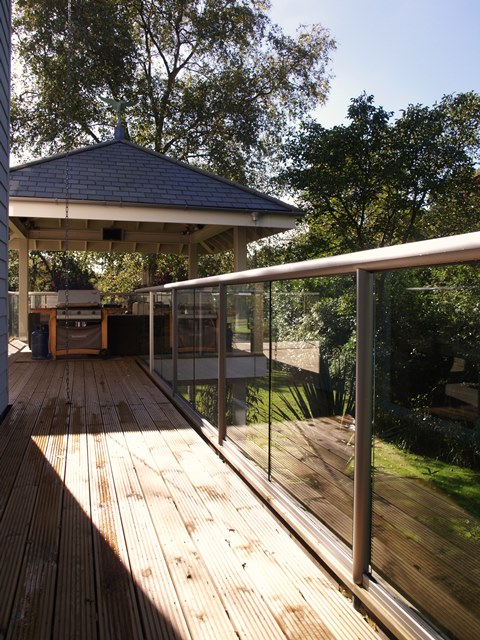
Balcony Systems Aluminium Handrail
Strong and naturally corrosion resistant
“The main advantages of aluminium extrusions are that they are light, strong, high strength to weight ratio, resilient, corrosion resistant and 100% recyclable”
In terms of strength to weight ratio, aluminium outperforms other materials.
Aluminium's advantage in this respect founded the modern aerospace industry and is the material of choice widely in a vast array of fields such as construction, transportation and other applications.
Aluminium extrusions are used widely in construction mainly as they are so corrosion resistant. Aluminium is said to be “self-healing” as opposed to ferrous metals when exposed it immediately creates a protective layer of Aluminium Oxide. Aluminium Oxide is so hard and durable that it is used as an abrasive on cutting tools.
Large variety of durable finishes
There are a large variety of aluminium finishing and coating options, Powder coating, PVDF coating and anodising. When done properly and to standard these finishes will last for decades even in marine and exposed locations. It is no wonder that over 90% of modern building facades use aluminium.
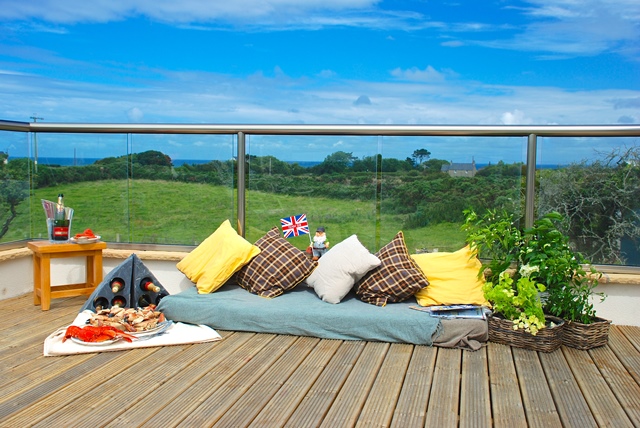
Balcony Systems Balustrade
Aluminium, the material of choice by Balcony Systems’
Why have we chosen to use aluminium and not stainless steel?
Here at Balcony Systems we have developed our systems from on site experience, not from a technical “ivory tower” and therefore know what we want and don’t want. We know what is required to make installation easy, glass replacement easy and in general what makes a system work for the client and the installer. The goal was to achieve a cost effective, durable and highly aesthetic solution for glass balustrades.
Aluminium extrusions and the ability to design with these gave us just that. We could work with the CAD design and shapes of the sections to achieve EXACTLY what we wanted, without having to compromise. Yes it is a large investment and today we own over 25 of our own proprietary extrusions, but we have systems that do what we need and want.
Coupled with the extrusions we have developed a breakthrough and proprietary anodising finish called “Royal Chrome”. This finish gives the look of stainless steel yet without the associated problems and this finish is by far our best seller. Customers rave about the finish and its durability even in the most aggressive marine areas, looking new after years on site.
Balcony Systems’ Glass Balustrade System is considered one of the most cost effective solutions on the market with a typical cost between £199 to £250 for a metre length with 10mm glass.
Summary
Both Balcony Systems Glass Balustrades and Stainless Steel Balustrades are very corrosion resistant. However stainless steel handrails will require a lot more maintenance to prevent contamination and staining.
Balcony Systems ability to use aluminium as a material and specifically extrusions to create their proprietary systems, together with the proprietary anodise finish “Royal Chrome” has been the basis for the success of the systems and their wide popularity.
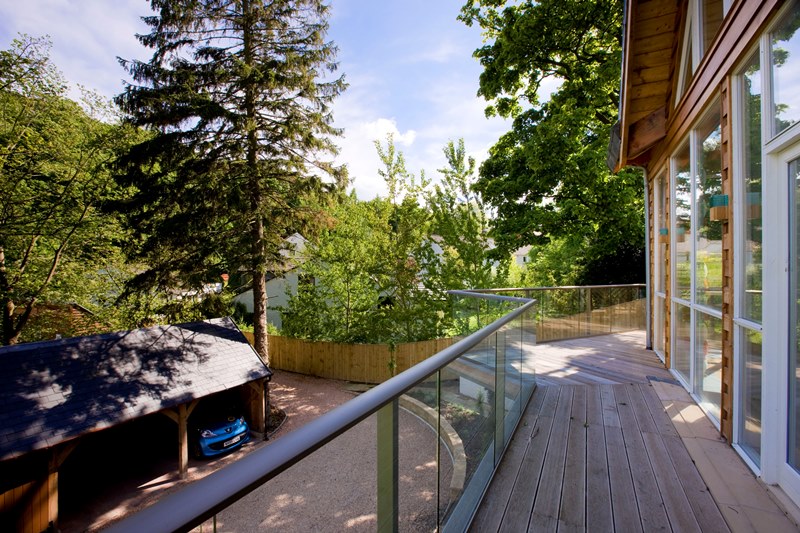
Balcony Systems Handrail