Superior to Stainless Steel
Glass Balustrades | Juliet Balconies | Galleries | Articles | Case Studies
A finish like no other – Balcony’s Royal Chrome Anodising
Royal Chrome anodising is the process we at Balcony Systems use to create our proprietary and much adored anodised finish that looks like polished stainless steel but without the maintenance problems plus it has all the positive traits of anodised aluminium.
The process is proprietary but in essence is very similar to standard Anodising with an added bath that includes a proprietary die. The process cannot be performed on all alloys of aluminium and requires a specific alloy type, with an extrusion process that gives the railing profiles an extra smooth surface finish when they come out of the extruder.
Hard and robust protection from the elements
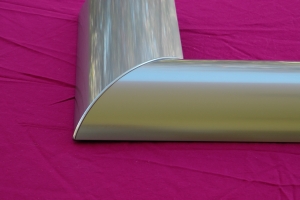
Anodising, as written in British English, is a process that used electrolytic passivation to grow the thickness of the oxide layer on the surface of aluminium profiles. This oxide layer is a natural layer but this process used an electrical circuit conducted through the profile creating it into the anode of this circuit – hence calling it “Anodising”.
Anodising greatly increases wear and corrosion resistance. The created layer that protects the railings is actually a grown layer of Aluminium-oxide, to explain a bit aluminium oxide is the natural occurring substance formed when unfinished or raw aluminium alloy oxidises (reacts with the oxygen in the air). Aluminium oxide is the reason aluminium can be so resistant to the elements. Aluminium oxide is so strong and hard as a substanc
e that it is actually used for sharpening knives! It is also known as “Corundum” for those who were listening in chemistry class.
So Anodising is basically creating an aluminium oxide layer under a controlled process and sealing it. The process involves several stages of dipping the railing profiles in different baths containing chemicals and finally sealing the process using hot water so that all the pores left are sealed.
The unfinished surface when the profiles are cut
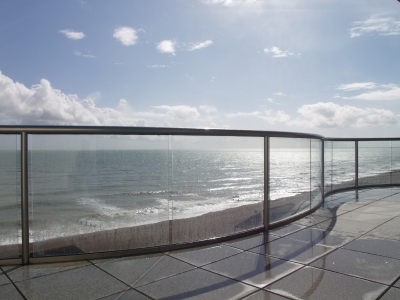
When a railing profile is used in the manufacture process of balustrades and handrails it requires to be notched, cut, tapped and drilled. These processes will of course penetrate the protective anodised layer. The beauty of using aluminium profiles for railings lies in the natural healing properties of the material. As explained above these areas will natuarly form on them an aluminium oxide layer that will protect them and not allow deterioration of the surface.
If the surface or railings are scratched
Unlike what happens to steel and on ferrous metals, where a scratch to the surface will mean the beginning to trouble on our handrails we can thank the natural tendency of aluminium to oxidise and protect itself. Any scratch, whether deep or not will NOT cause and negative effect to the rest of the railing profile or anodised layer. (asides of course the aesthetical down side of the scratch itself)
On metal balconies and mild steel painting where damage to the outer skin occurs this can cause rust to enter and crawl underneath the paintwork or locally show rust.
Next time you want to use a metal railing or balustrade, serious consideration should be given to the use of anodised handrails. If you like the look of stainless steel, yet still want to enjoy the traits described herein of the anodised aluminium then you should opt for the Royal Chrome anodised finish; it does not tea stain or rust and will give years of enjoyment.