Balcony Waterproofing and the Gap Between Design Intent and Performance
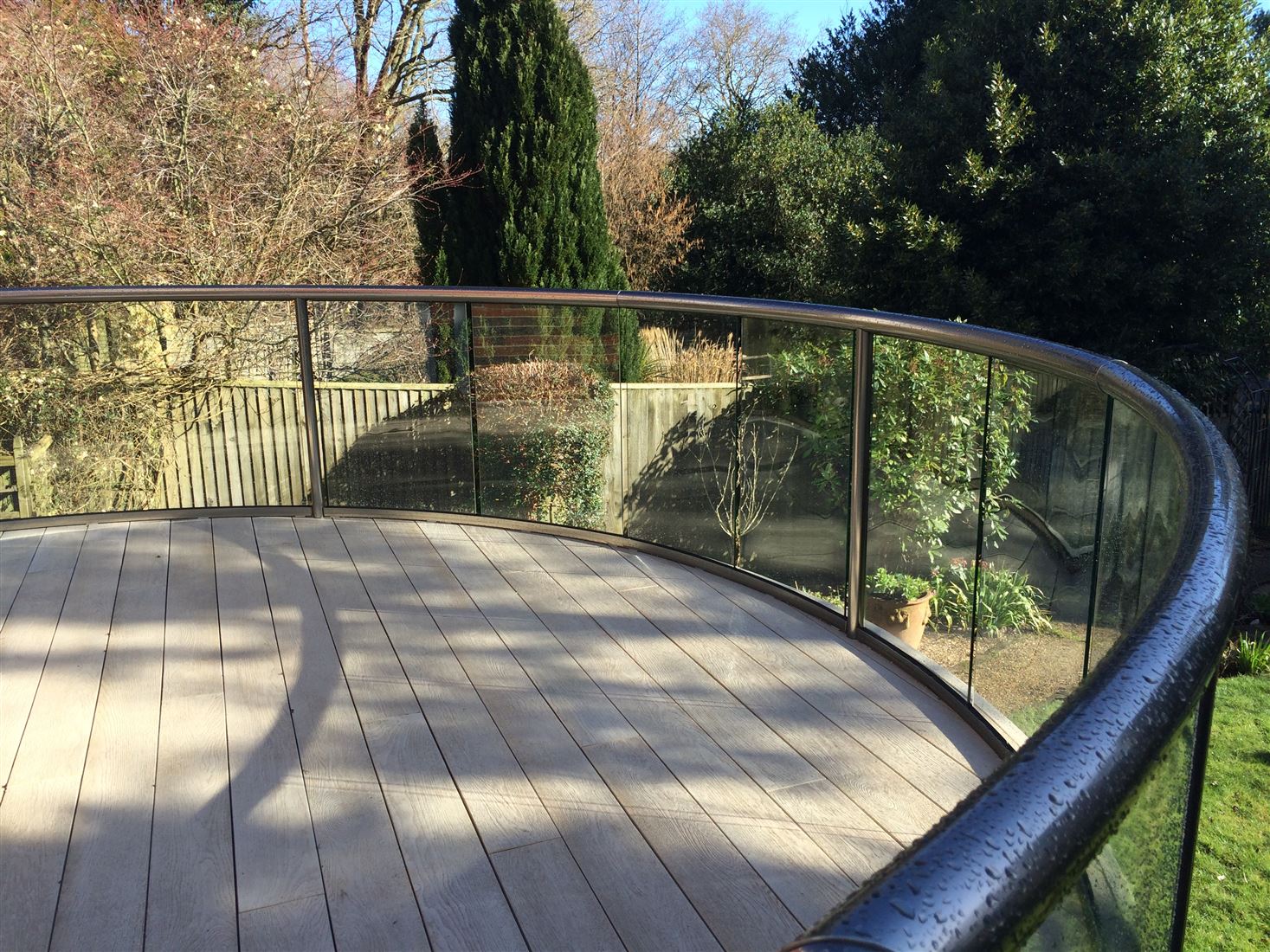
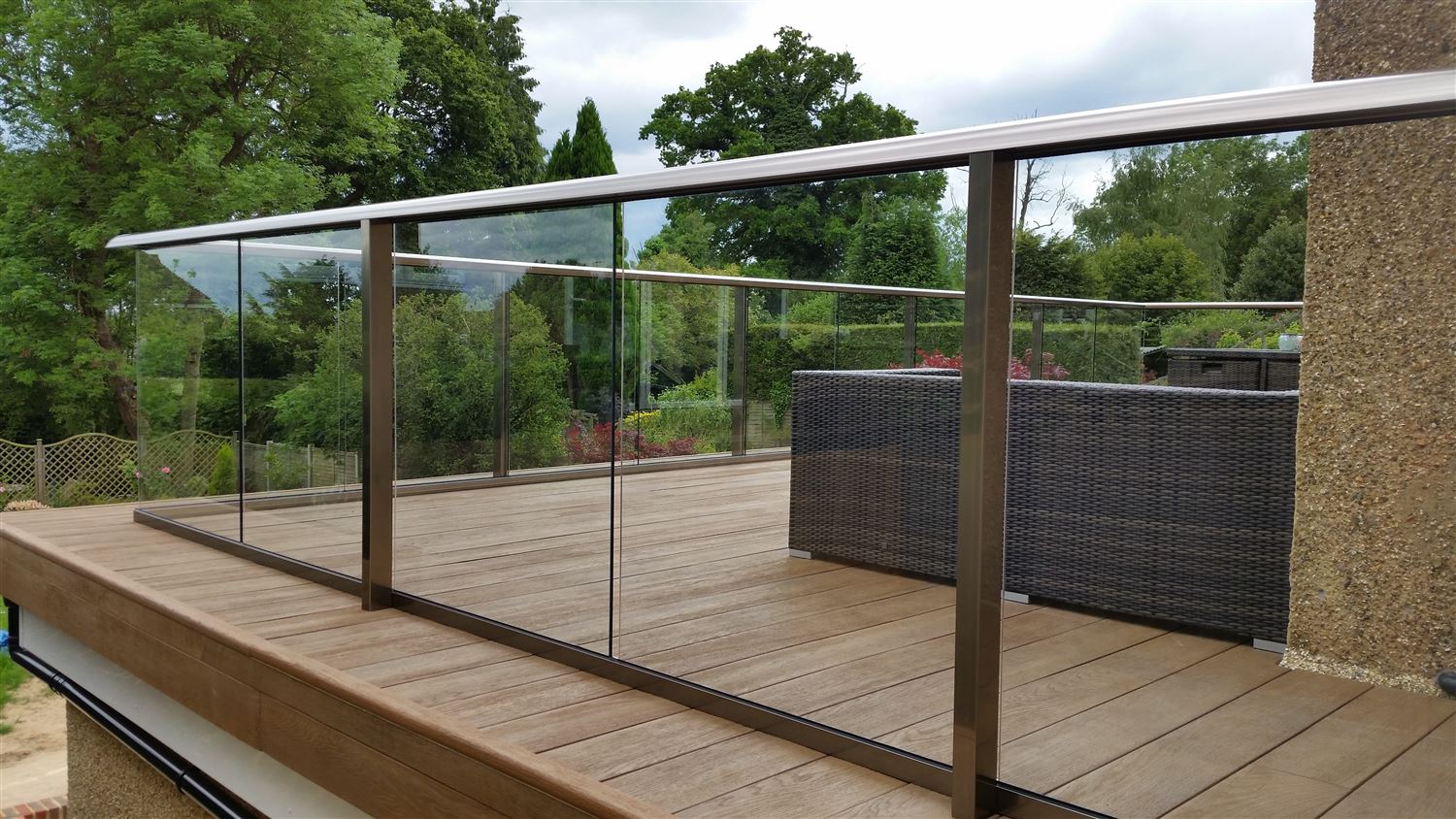
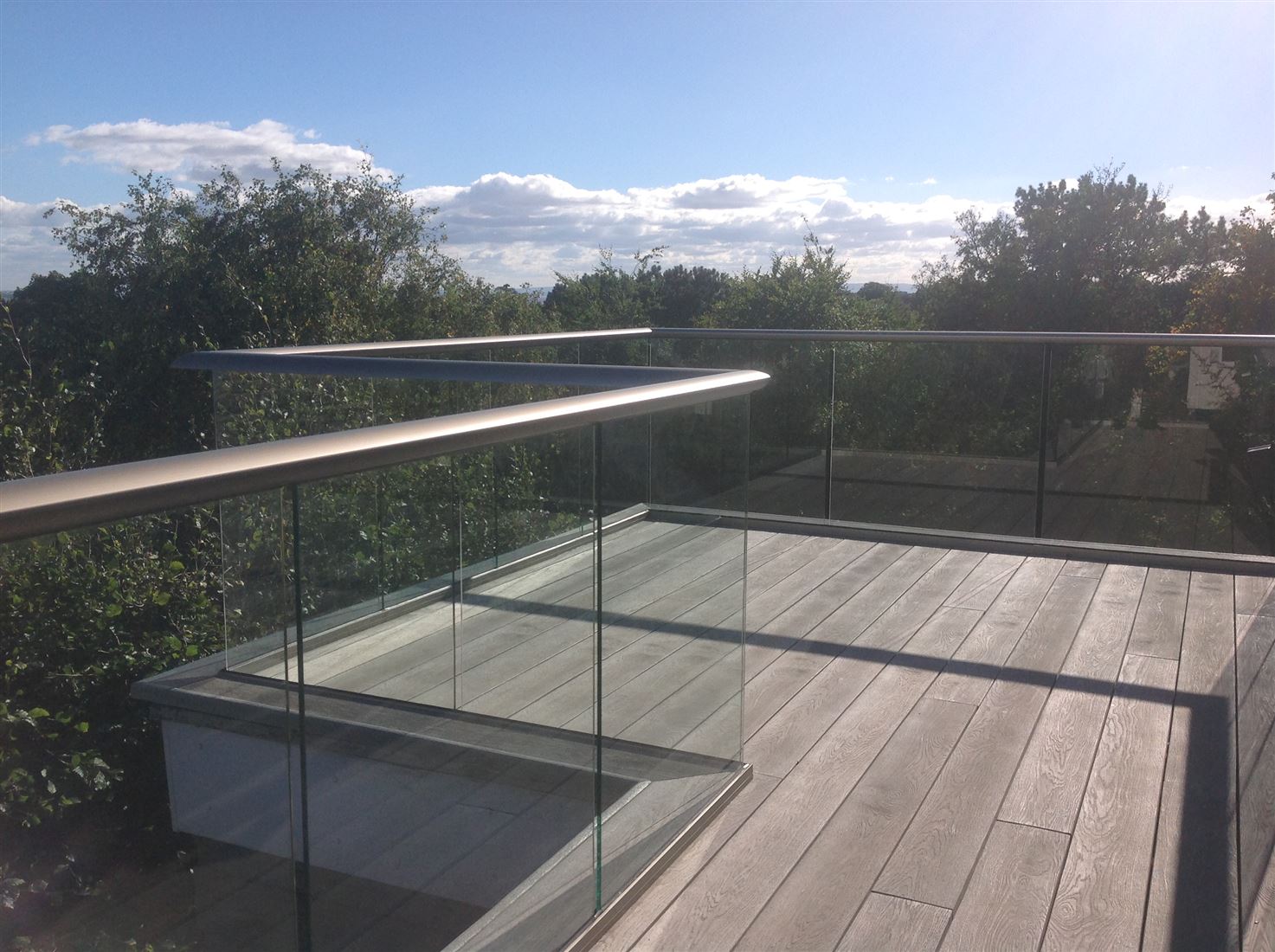
Balconies do more than just look good, they add valuable outdoor space, extend living areas, and give buildings character. They’re a key selling point in residential and mixed-use projects, granting flexibility and that crucial indoor-outdoor connection that buyers and tenants want.
Yet for all the advances in waterproofing technology, balconies are still one of the biggest problem areas in modern buildings. Water leaks from balconies show up repeatedly in defect reports, insurance claims, and remediation projects.
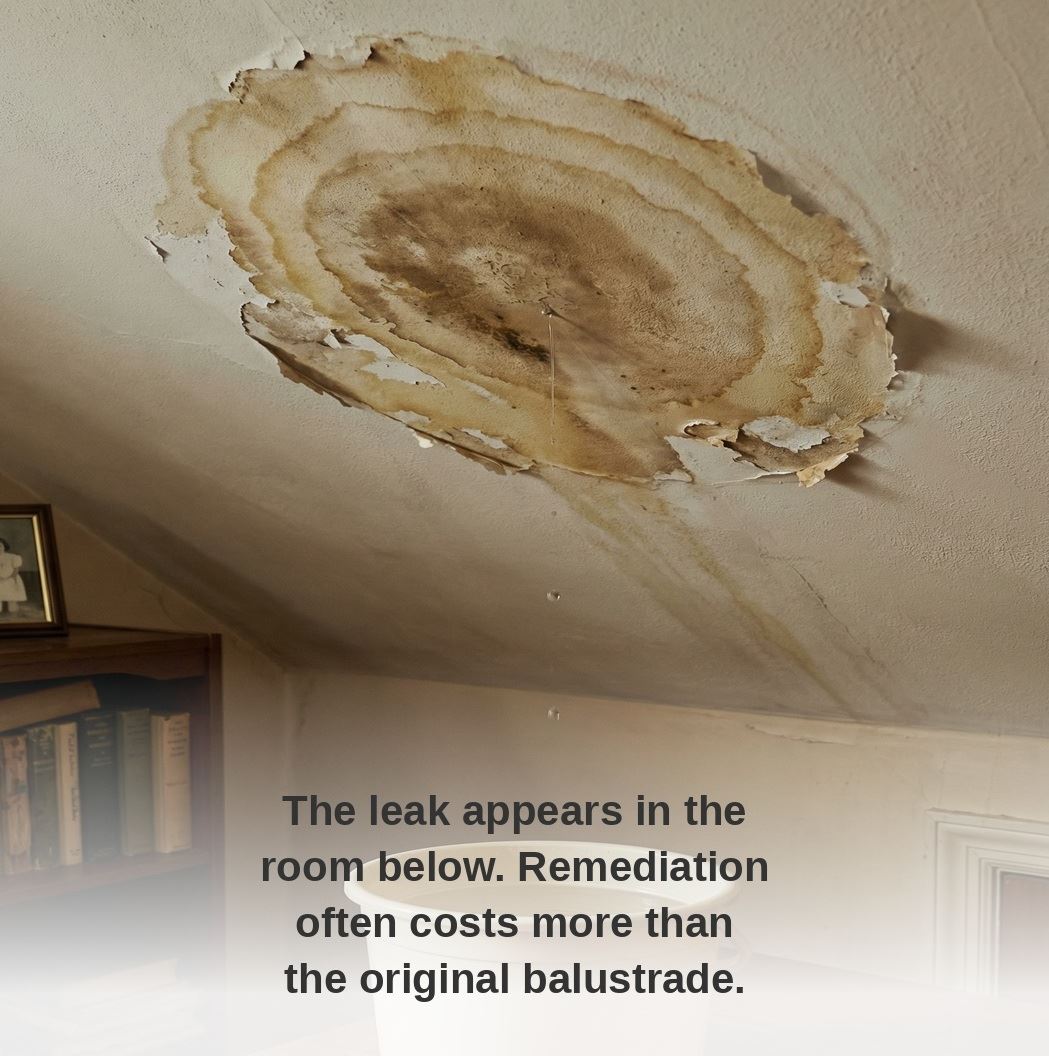
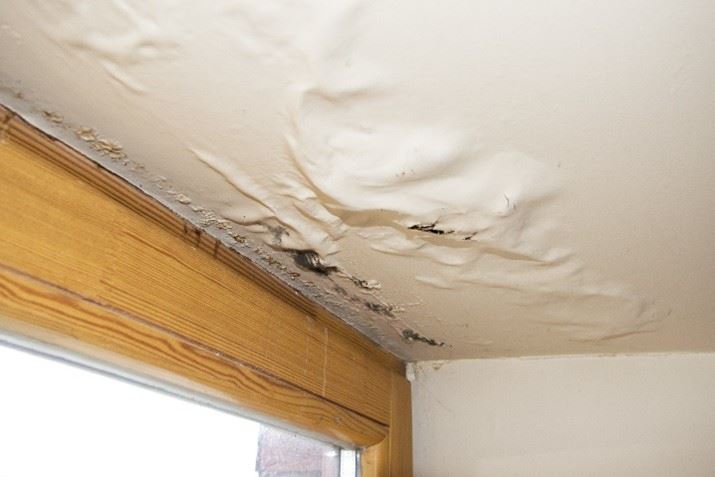
The real problem? Balcony failures don’t show up right away. Issues often surface years after completion, once people have moved in and finishes are installed, making critical areas hard to access. By then, it’s anyone’s guess who’s responsible, warranties have often expired, and fixing the problem is expensive and disruptive.
Often, the root cause isn’t poor workmanship, it’s decisions made during design, especially around the manner in which structural loads, balustrades, decking, and waterproofing all come together. Each component on its own, is well understood and covered by standards, but problems arise when you combine them. Something that looks perfectly fine on paper can create serious vulnerabilities once the building starts moving, weathering, and being used day to day.
What follows aren’t rare exceptions-these are common problems I’ve seen across countless residential and mixed-use projects, even ones designed and built by experienced teams using approved systems.
1. Punching holes through waterproofing because “that’s how we’ve always done it”
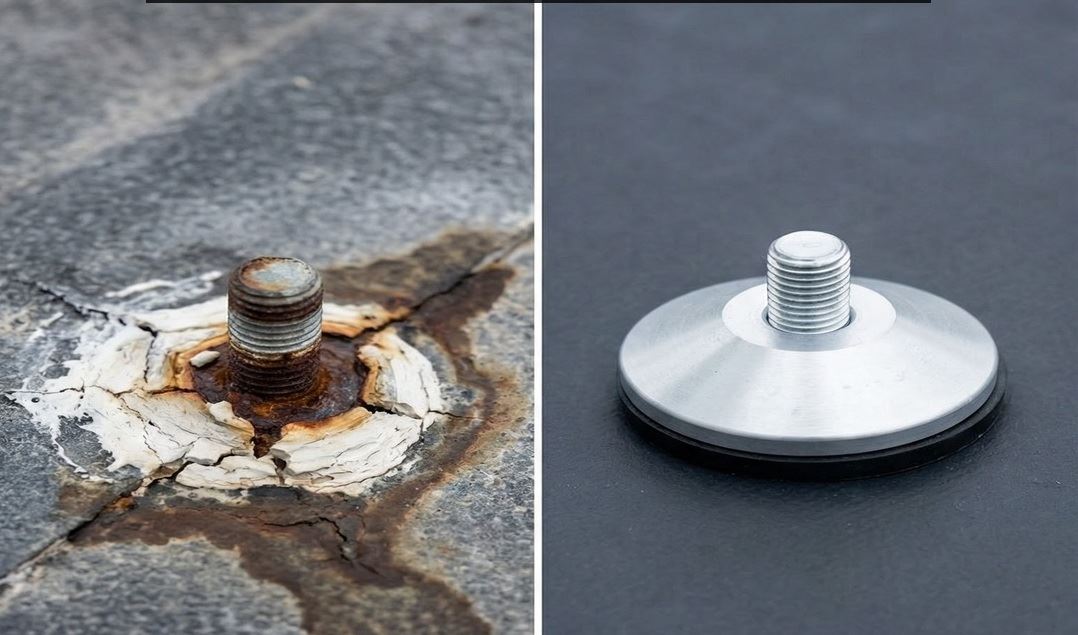
One of the biggest causes of balcony leaks is how we handle structural loads. To keep balustrade posts, guardrails, and decking supports stable, they’re usually bolted straight back to the slab-which means drilling through the waterproofing. It’s standard practice, but here’s the thing: every hole is a risk. Waterproofing works best as a continuous layer. Once you break that continuity, you’re relying on sealants, collars, gaskets, and patches to keep water out. These aren’t built to last as long as the building itself, and their performance depends heavily on how well they’re installed.
A small installation mistake, a bit of movement over the years, or just natural wear on the seals can let water in. Worse still, you usually won’t see it happening. The weakest spots are hidden under decking or finishes, so leaks can develop quietly for years before anyone notices. The bottom line is that when you punch holes through waterproofing, you’re asking it to do two jobs at once-keep water out and handle structural connections. It’s not designed for that, especially not for 30 years.
2. Forgetting that balconies move, flex, and expand
Balconies are out in the elements and therefore being constantly asked to deal with:
- Expanding and contracting with temperature changes
- Moving differently to the internal structure
- Wind pushing and pulling on the balustrades
- People, furniture, and planters putting weight on them
When you bolt rigid fixings through flexible waterproofing, repetitive back-and-forth movement puts constant stress on the seals. Over time, they fatigue, develop tiny cracks, and lose their grip, usually with no visible warning until water’s already getting in.
This is particularly true for cantilevered slabs, podium decks, and balconies with complicated connections to the internal floors. Even with top-quality waterproofing membranes, the weak points are almost always around those penetrations and connections.
Here’s what matters: details that look fine on paper can fail in the real world once things start moving. You need to design for movement just as carefully as you design for load-your waterproofing strategy has to account for both.
3. Treating sealants as long-term waterproofing solutions
Sealants are widely used around balcony penetrations, but their role is often misunderstood. Sealants are not waterproofing systems; they are consumable components with limited-service lives.
Most sealants break down under UV exposure, get brittle over time - only working if the surface prep and site conditions are perfect, or need regular inspection and replacement, which almost never happens.
Designs that depend on sealants to maintain watertightness at balustrade fixings implicitly assume ongoing maintenance regimes, which building owners are unlikely to implement.
Where sealants serve as a critical waterproofing function, failure should be anticipated rather than considered exceptional. A detail may comply at handover yet still constitute a long-term liability.
4. Fragmented responsibility at critical interfaces
Balcony failures frequently occur where responsibility is divided between disciplines:
• Structural engineers design the slab
• Architects specify balustrades and finishes
• Waterproofing contractors install the membrane
• Balustrade installers introduce fixings
Each party may operate competently within their scope, yet the most critical details sit at the boundaries between those scopes. Interfaces are often assumed rather than designed and tested as a coordinated system.
A common scenario: a waterproofing contractor installs a warrantable membrane. Later, balustrade installers drill through it to achieve structural fixity. From one perspective, the waterproofing has been compromised; from another, a compliant guard has been installed. Each party can defend their actions. The building still leaks.
Design implication: The more interfaces a detail depends on, the greater the risk of misalignment between intent and execution. If a detail requires flawless coordination across multiple trades, it should be simplified or reconsidered.
5. Door thresholds, upstands and the “invisible” weak points
Most balcony leaks don’t actually happen in the middle of the balcony-they happen at the edges and connections:
• Door thresholds
• Upstands and terminations - Parapets and abutments
• Balustrade base zones - Drain outlets and rainwater transitions
Thresholds fail because they’re caught between competing demands: level access, drainage slopes, floor heights, and clean aesthetics. Even when the detail looks sorted on paper, water will always find the easiest way through.
Often, water doesn’t get in because the membrane failed completely, but because the build-up lets water track along, bridge across, or pool at weak spots. Capillary action, wind-driven rain, and water pressure all play a role.
The reality: thresholds and terminations are the highest-risk areas on any balcony. When you’re working with tight tolerances, your waterproofing needs to be conservative and bulletproof.
6. Drainage and the assumption that water will “just run off
Good waterproofing isn’t just about specifying the right membrane, it’s fundamentally about managing water. If water is allowed to sit on or in the build-up, failure is only a matter of time.
Common problems at the design stage:
• Not enough slope, or slopes pointing the wrong way
• Drains positioned where water pools
• Drains that are hard to reach or maintain
• Deck systems that trap leaves and debris
• No backup drainage or overflow plan
Even when you’ve shown falls on the drawings, site tolerances, screed variations, and construction sequence can create low spots that only show up once the finishes are down.
The consequence: if drainage doesn’t work, your waterproofing sits in permanent moisture. Every weak point-penetrations, sealants, terminations-becomes much more likely to fail.
7. Compatibility and layering inside intricate build-ups
Balcony build-ups are complex. You’re dealing with concrete, primers, membranes, protection layers, adhesives, pedestals, decking, metal fixings, and balustrades, all from different trades.
Common design-stage problems:
• Materials that don’t play well together chemically
• Metal fixings that corrode or cause galvanic reactions
• Underestimating UV exposure- Point loads from pedestals damaging membranes
• Membranes left unprotected
Failures regularly come from localised wear, stress concentration, or chemical reactions, especially where membranes are being asked to do structural work they weren’t designed for.
The key point: treat balcony waterproofing as a complete system, not purely a product you specify. You need to work out compatibility, protection, and load transfer at the design stage-not leave it for someone to figure out on site.

8. Assumptions around warranties and liability
There’s often an assumption that warranties will cover long-term risk. In reality, most warranties exclude penetrations by other trades, fixings added after installation, any deviation from approved details, and lack of maintenance.
Once someone drills through the membrane, warranty coverage can quickly fall apart, leaving building owners exposed and facing disputes with multiple parties pointing fingers at each other.
Worth noting: design decisions that impair the membrane can also void the legal and insurance protections.
9. Limited access for inspection and repair
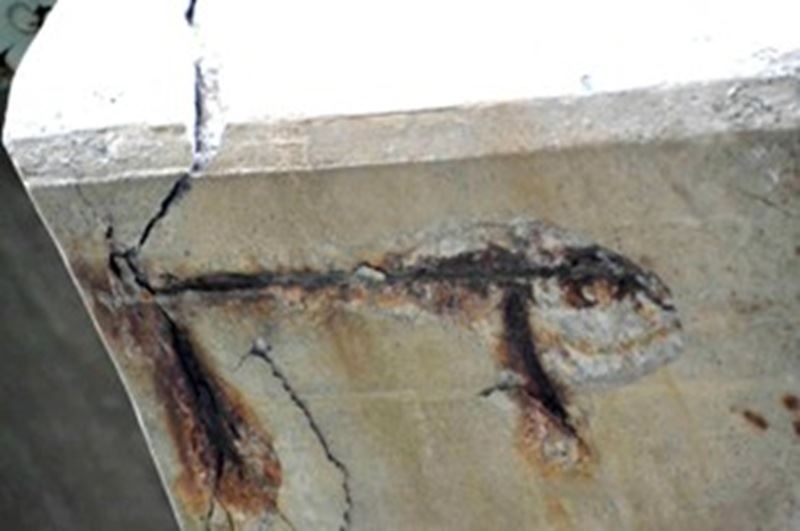
Once balconies are finished and people have moved in, you can’t easily get to the waterproofing. Fixings hidden under decking are basically impossible to inspect without tearing everything apart. Small problems can go unnoticed until moisture has worked its way into the structure. By then, fixing it means major disruption and expense.
The principle: if you can’t inspect or maintain a detail, it needs to be inherently low-risk from the start. Don’t design something that relies on future access you won’t have.
10. Sequencing risk and construction reality
Some balcony details only work if construction sequencing is perfect. In the real world, sequencing gets affected by weather, program pressure, and which trades are available.
Membranes sitting exposed for weeks, fixings added late, temporary penetrations, final-minute changes-all of these introduce risk.
Simple truth: if a detail only works under perfect conditions, it’s not robust. Good design doesn’t rely on perfect choreography.
11. Remediation complexity and cost escalation
Balcony failures are never simple fixes. Once penetrations are involved, you’re usually looking at replacing balustrades, finishes, and sometimes the membrane itself.
At that point, it’s not just a defect repair-it’s an asset management problem, a liability issue, and a reputational risk. The economics are clear: designing out known failure modes early is far cheaper and more defensible than dealing with them later.
 |
 |
12. Balconies as high-risk envelope elements
Balconies often get treated as architectural features when they should be treated as high-risk building envelope components. They combine exposure, structure, and waterproofing right where people live-that’s a challenging mix. They deserve the same level of careful detailing you’d give a roof or basement-maybe more.
13. The case for non-penetrative design thinking
Given how often penetrations cause problems, non-penetrative approaches have been gaining traction. These systems transfer loads without punching through the waterproofing, letting the membrane do what it’s actually designed to do.
BalcoDeck® is one example of this approach. What matters isn’t the specific product, but rather it’s the principle: protect membrane continuity through design, rather than trying to manage penetrations with detailing and maintenance.
14. Whole-life performance and risk management
With insurers, regulators, and asset owners paying closer attention, balcony detailing is being looked at through a whole-life lens. Designs that keep interfaces simple, maintain waterproofing continuity, and make maintenance easier consistently perform better over the building’s life.
Designing failure out at concept stage
Balcony waterproofing failures rarely come down to one mistake. They’re the result of multiple design decisions that, together, create avoidable vulnerabilities.
Punching through waterproofing to fix balustrades and decking combines several risks: you’re breaking continuity, introducing movement stress, and creating hidden interfaces that can’t be easily inspected.
Non-penetrative approaches don’t eliminate all risk, but they fundamentally change what you’re dealing with. The challenge now isn’t a lack of information. We’ve had decades of remediation projects to learn from. The question is whether we’re actually applying those lessons at the concept stage.