Roof Terrace Defects: Why Problems Often Start Years Before They Appear
Industry insight suggests that many roof terrace defects originate at design stage, long before issues become visible on site - particularly where structural detailing introduces risk into the waterproofing layer.
Water ingress associated with roof terraces over occupied space remains a persistent issue across residential construction in the UK. However, in many cases, defects do not become apparent until years after project completion.
This delayed failure is often linked to detailing decisions made during the design phase - particularly where structural elements interact with the waterproofing system.
In conventional roof terrace construction, balustrades and structural components are typically fixed through the waterproof membrane to achieve the required load-bearing performance. While this provides a clear structural solution, it introduces penetrations that rely on sealants, collars and flashing details to maintain watertightness.
Over time, thermal movement, wind loading and environmental exposure can place stress on these interfaces. While the membrane itself may be designed for long-term durability, the penetrative details surrounding fixings often become the critical points of vulnerability within the system.
Because the waterproofing layer is concealed beneath finishes such as decking or paving, early-stage failures may go undetected until water ingress becomes visible internally - by which point the issue is often more complex to resolve.
This challenge has led to increasing interest in alternative design approaches that seek to remove these vulnerable interfaces altogether.
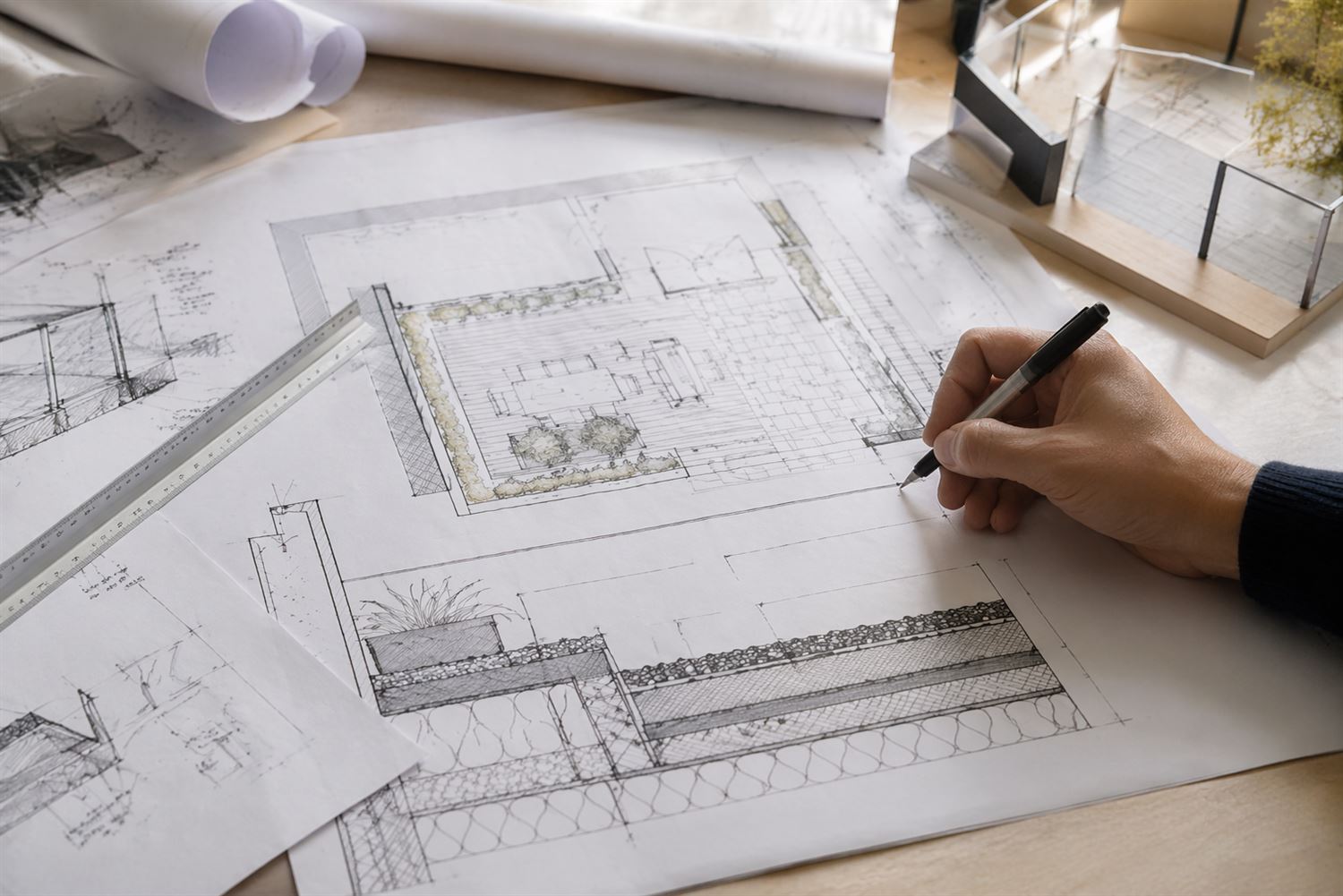
Systems such as BalcoDeck® have been developed specifically to address this issue, allowing balustrades and terrace structures to be supported above the waterproofing layer rather than fixed through it. By separating structural load transfer from the membrane, these approaches maintain continuity of the waterproofing system and reduce reliance on sealant-dependent penetrations.
Effi Wolff, founder of Balconette and creator of the BalcoDeck® system, commented:
“One of the challenges with roof terrace defects is that they rarely appear immediately. A detail can perform well at handover, but the conditions it’s exposed to over time - movement, weathering and loading - gradually test those interfaces.
Historically, the industry has accepted penetrations through waterproof membranes as part of achieving structural performance. What we’re seeing now is a growing awareness that these details can introduce long-term risk, particularly on roof terraces above occupied space.
BalcoDeck® was developed to resolve that conflict by allowing the structure to sit above the membrane, rather than forcing the waterproofing layer to accommodate structural fixing.”
This delay between cause and effect can make diagnosis and responsibility difficult to establish, particularly where multiple trades and systems are involved.
As expectations around durability, maintenance and lifecycle performance continue to increase, design teams are beginning to reassess how these details are approached - with a growing focus on eliminating risk at source rather than managing it over time.