Structural Channels vs Posts - The Base Design Decision That Changes Everything
The rarely discussed difference between post-based and continuous structural channel balustrade systems creates fundamentally different load profiles at the membrane surface - and specifiers almost never ask which system they are getting
The difference between posts and channels
A post-based balustrade system transfers the structural loads from the glass panels - lateral wind forces, occupant loading, and the self-weight of the system - through individual post bases at discrete points along the terrace perimeter. Each post base concentrates the base moment reaction at a single point. In a penetrative installation, this means a single fixing point carrying the full base moment at each post location. In a non-penetrative installation, this means a single platform element carrying a concentrated load.
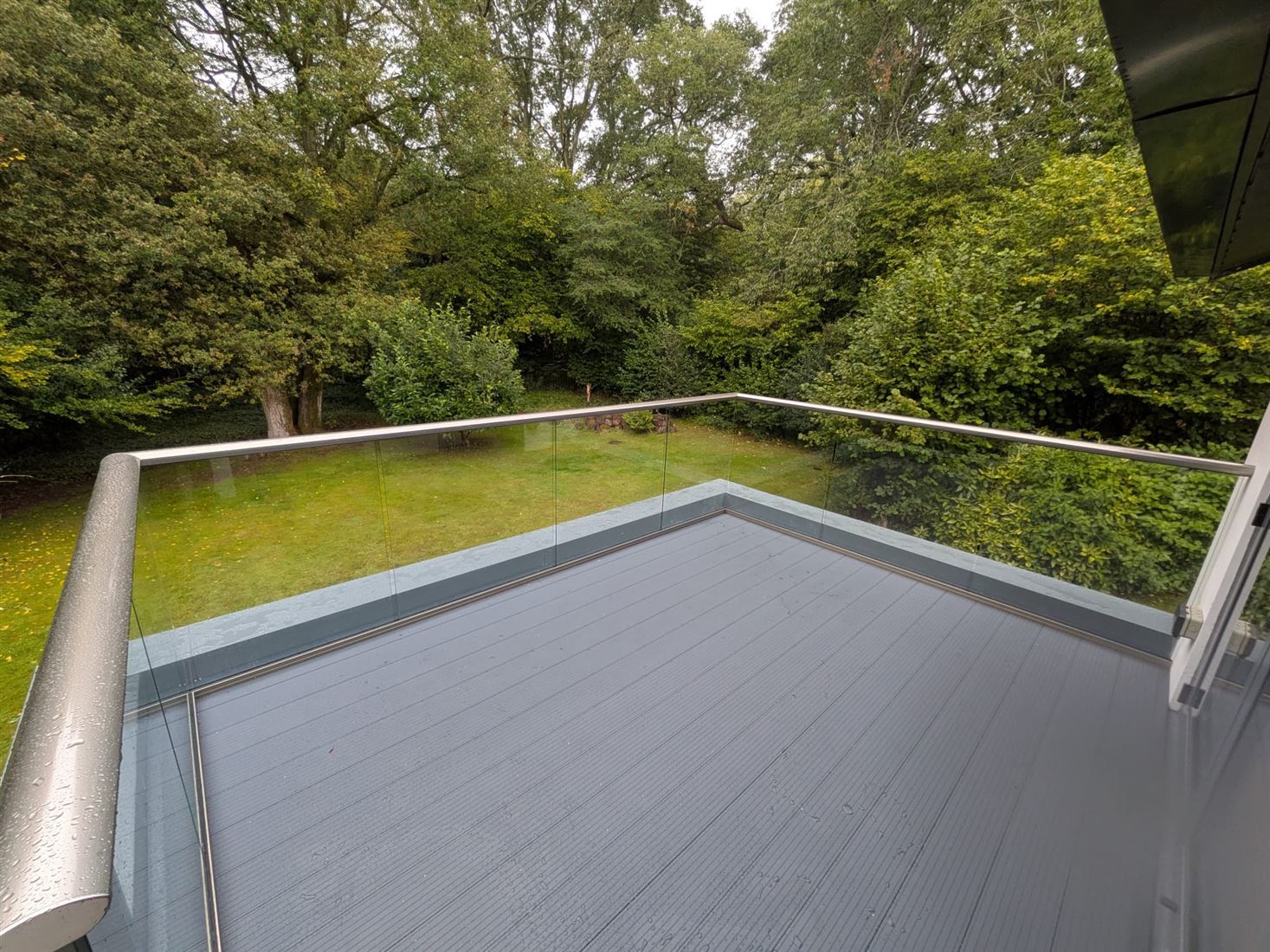
A continuous structural channel system works differently. The channel runs the full length of the balustrade run and the glass panels are clamped into it continuously rather than fixed to individual posts. The structural loads from the glass are distributed into the channel along its full length, and the base reaction is distributed across the channel’s bearing footprint rather than concentrated at discrete post positions.
Why the distinction matters for membrane risk
In a penetrative installation, the stress concentration at a post fixing is significantly higher than at a distributed channel bearing. The membrane, and the sealant collar protecting the penetration, is exposed to a concentrated cyclic load at each post fixing point - the lateral and uplift forces from wind loading, the thermal movement of the post, and the vibration transmitted from occupant use of the terrace. This concentration of stress is precisely why penetrative post fixings are the most common origin point for membrane failures on roof terraces.
A penetrative channel system, by contrast, distributes the load over a longer bearing length. The stress at any single point in the membrane is lower. This does not eliminate the penetration risk - any fixing through the membrane introduces vulnerability - but it changes the risk profile.
The glass specification implication
There is a further technical dimension that Effi Wolff has identified as consistently overlooked: the relationship between glass panel dimensions and base moment. In a channel system designed to cantilever thicker, taller or wider glass panels, the base moment - the turning force that the fixing system must resist - increases as a function of the glass panel area and height. A channel system cantilevering a 1200mm-high glass panel generates a materially larger base moment than a post system with the same glass specification.
This base moment calculation should drive the fixing design, both in terms of the structural capacity required and the stress distribution at the membrane surface. In practice, it often does not. The glass specification and the fixing specification are developed independently, and the base moment implications of a channel system with large glass panels are not always carried through to the fixing design or the membrane penetration detail.
The non-penetrative solution to the channel vs post problem
BalcoDeck® accommodates both post-based and channel-based balustrade systems above the membrane without penetration. The structural platform is designed to distribute the base reactions from either system across the roof surface, with the load path entirely above the membrane layer. The platform geometry and bearing footprint are calculated for the specific base moment generated by the glass specification - which means the channel vs post question is resolved at the design stage, with structural calculations, rather than left to the installer to manage on site.
Effi Wolff said: “Most specifications say nothing about whether the system is post-based or channel-based. The contractor makes the decision, often on cost grounds. But the two systems have completely different structural behaviours at the base, and in a penetrative installation that difference translates directly into different membrane stress profiles. Specifiers should be asking the question. In our experience, they almost never do.”
For architects and structural engineers specifying roof terrace balustrades, the practical action is to require the structural submission from the balustrade manufacturer to confirm whether the system is post-based or channel-based, what the base moment calculations are for the specified glass panel dimensions, and how those base moments are resolved at the fixing interface with the roof build-up.