My Structural Engineer Has Specified Penetrative Fixings. What Do I Put in Writing?
This situation comes up on live projects more often than the industry acknowledges. The architect has specified a non-penetrative approach, or at least assumed the membrane will be protected, and the structural engineer returns a calculation pack or fixing specification that calls for penetrative fixings through the roof build-up. What should the architect do?
The short answer: challenge the specification before anything goes through the membrane, and create a written record of that challenge regardless of how the conversation resolves.
What is a structural engineer’s obligation?
A structural engineer specifying penetrative fixings on a waterproofed roof terrace has an obligation to satisfy themselves that the fixing method is appropriate for the specific roof build-up, that the membrane manufacturer has been consulted or that an approved penetration detail exists, and that the warranty implications have been considered. In many cases, this consideration does not happen. The fixing is specified because it is standard practice, not because the waterproofing implications have been reviewed.
This does not mean the structural engineer has acted negligently. It means the coordination between structural and waterproofing disciplines has not happened, which is a common condition on roof terrace projects. The structural calculation addresses the fixings in isolation. The waterproofing specification addresses the membrane in isolation. Nobody owns the interface.
What is the architect’s PI exposure if they proceed?
If the architect proceeds with a penetrative fixing specification that subsequently leads to a membrane failure, their PI exposure depends on what they knew, what they could have known, and what they did about it. An architect who received a structural specification calling for penetrative fixings, raised no query, made no record, and issued the drawing without challenge is in a worse position than one who raised the coordination question in writing, documented the response, and issued the drawing with a note that the membrane manufacturer had been consulted.
The practical question for the architect is: if this roof terrace leaks in five years and the cause is traced to this fixing, is there a written record showing that I raised the waterproofing coordination question before proceeding? If the answer is no, the PI exposure is real.
What to put in writing before anything goes through the membrane
The written record should address three things. First, a direct query to the structural engineer asking whether the penetrative fixing specification accounts for the membrane build-up and whether the membrane manufacturer has been consulted or an approved penetration detail exists. This should be in an email, not a verbal conversation.
Second, a query to the membrane manufacturer or waterproofing contractor asking whether the proposed fixing method and fixing location are compatible with the membrane specification and whether they affect the warranty. The response to this query should be retained.
Third, if the penetrative fixing proceeds despite these queries, a note on the relevant drawing or in the project record confirming that the fixing method was specified by the structural engineer, that the waterproofing implications were raised with both the structural engineer and the membrane manufacturer, and that the coordination responses are held in the project file. This is not a disclaimer - it is a record of professional diligence.
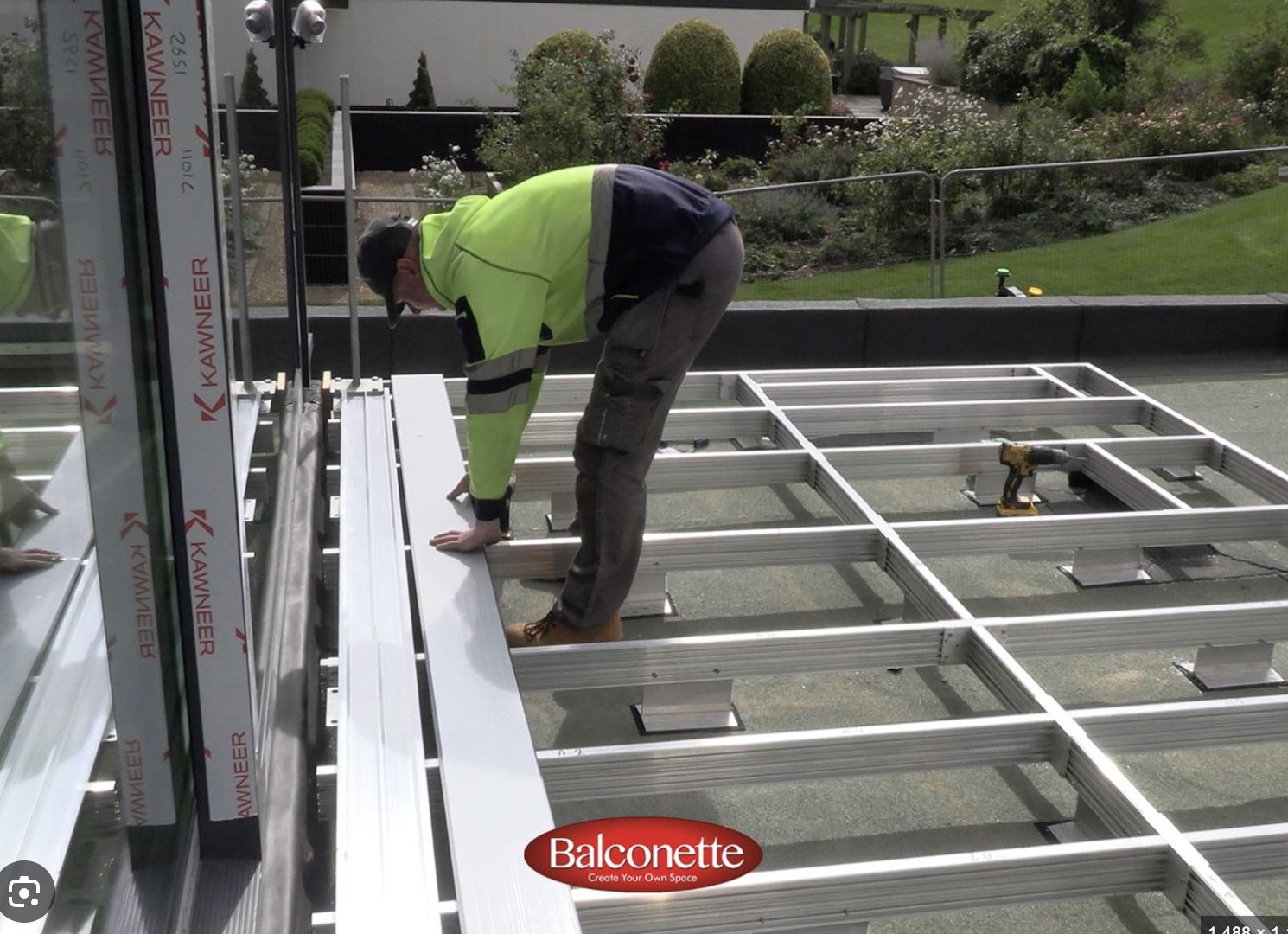
What a non-penetrative alternative provides in this situation
If the architect is in a position to introduce a non-penetrative alternative at specification stage - before the structural engineer’s fixing detail is finalised - the coordination problem largely disappears. BalcoDeck® provides structural load calculations demonstrating BS EN compliance without substrate penetration, which the structural engineer can review and accept as an alternative to their penetrative detail. The Certificate of Compliance then provides the written record confirming the installation.
The window for introducing this alternative is at Stage 3 or early Stage 4, before the structural engineer’s fixing specification is embedded in the contractor’s programme. Once the penetrative fixing is in the employer’s requirements and the contractor has priced it, changing the fixing method requires a variation instruction. It is not impossible - but it is much more expensive than getting the coordination right at design stage.
The underlying point is that the question ‘what do I put in writing’ should not be the first question. The first question should be ‘is there a coordination process that means this situation doesn’t arise’. The answer to that question is a specification that requires the structural engineer and the waterproofing contractor to sign off the fixing interface jointly before the detail is finalised.