The Construction Detail Everyone Accepts – But Few Revisit in Roof Terrace Design
New industry commentary highlights a widely accepted construction detail that may be contributing to long-term risk in roof terrace design.
Across the UK construction sector, roof terraces over habitable space are routinely delivered using established detailing approaches that rely on structural penetrations through the waterproofing layer. While these methods are widely accepted and can perform effectively at installation stage, questions are increasingly being raised around their long-term robustness.
In typical roof terrace construction, balustrade posts and structural elements are anchored directly into the structural slab. This approach provides a clear load path and satisfies structural requirements for horizontal loads and wind actions. However, it also requires penetrations through the waterproof membrane, introducing interfaces that must be sealed to maintain watertightness.
From a technical standpoint, this creates a dependency on sealants, collars and flashing details - components that are subject to movement, environmental exposure and ageing over time.
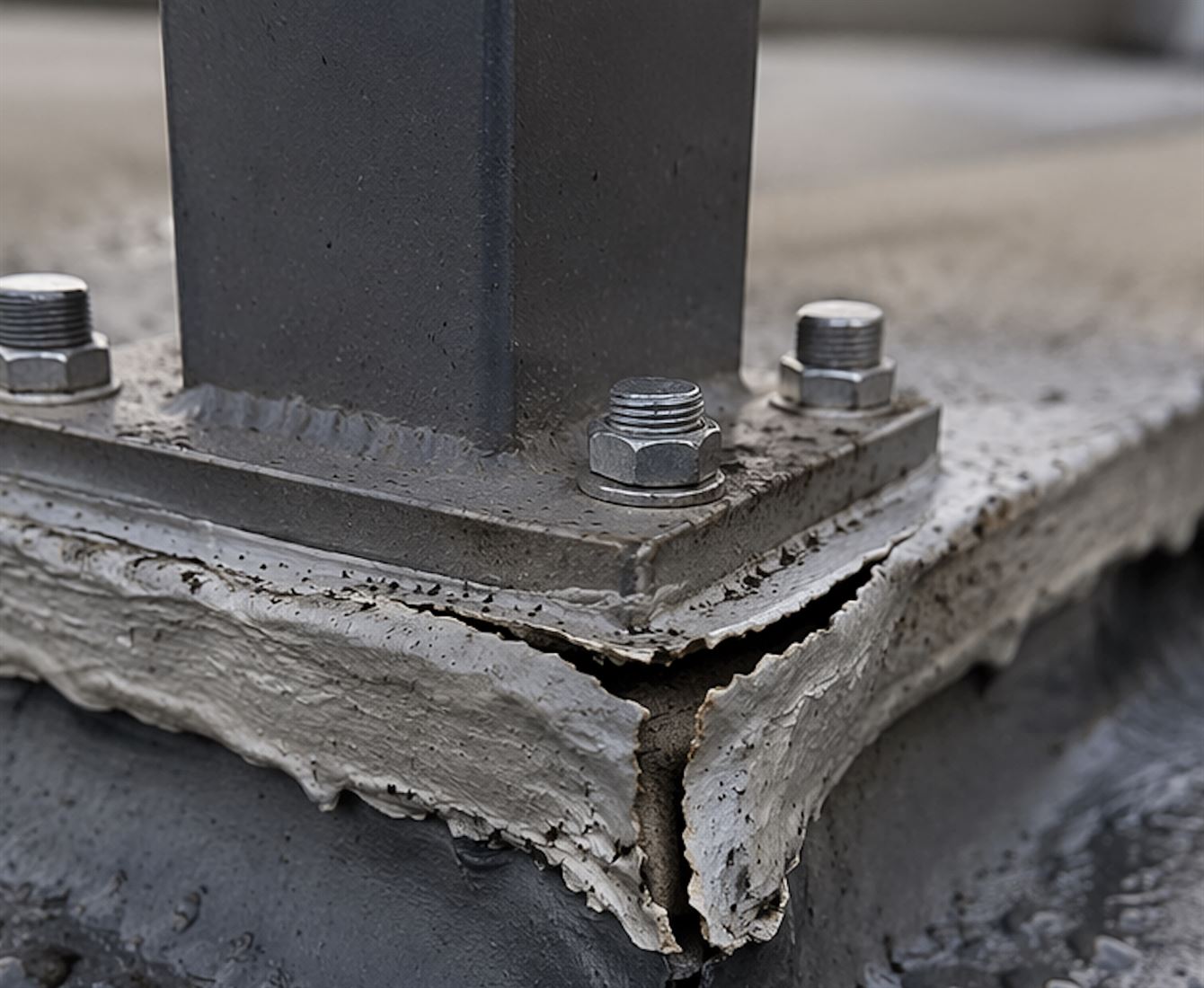
As buildings settle, expand and contract, and as loads are applied through balustrades and occupancy, these interfaces invariably experience stress. Over time, even well-executed details may become points of vulnerability within the roof assembly. And yet despite this, penetrative detailing remains standard practice across many projects.
Effi Wolff, founder of Balconette and creator of the BalcoDeck® system, commented:
“In many projects, penetrative detailing isn’t actively questioned - it’s simply the default approach. Structurally, it makes sense because you’re anchoring directly into the slab. But at the same time, you are introducing interfaces into the waterproofing layer that the rest of the system is designed to avoid.
What we are seeing now is a growing awareness that these details, while accepted, don’t really align with long-term performance expectations - particularly on roof terraces above occupied space.”
The discussion reflects a broader shift within the construction industry, where increasing attention is being paid to lifecycle performance rather than just initial compliance.
Design teams are beginning to explore whether traditional detailing approaches, particularly those that introduce risk into critical building envelope elements should be reconsidered at concept stage. Increasingly, this is leading to interest in alternative strategies that separate structural load transfer from the waterproofing layer, rather than forcing the two to co-exist within the same detail.
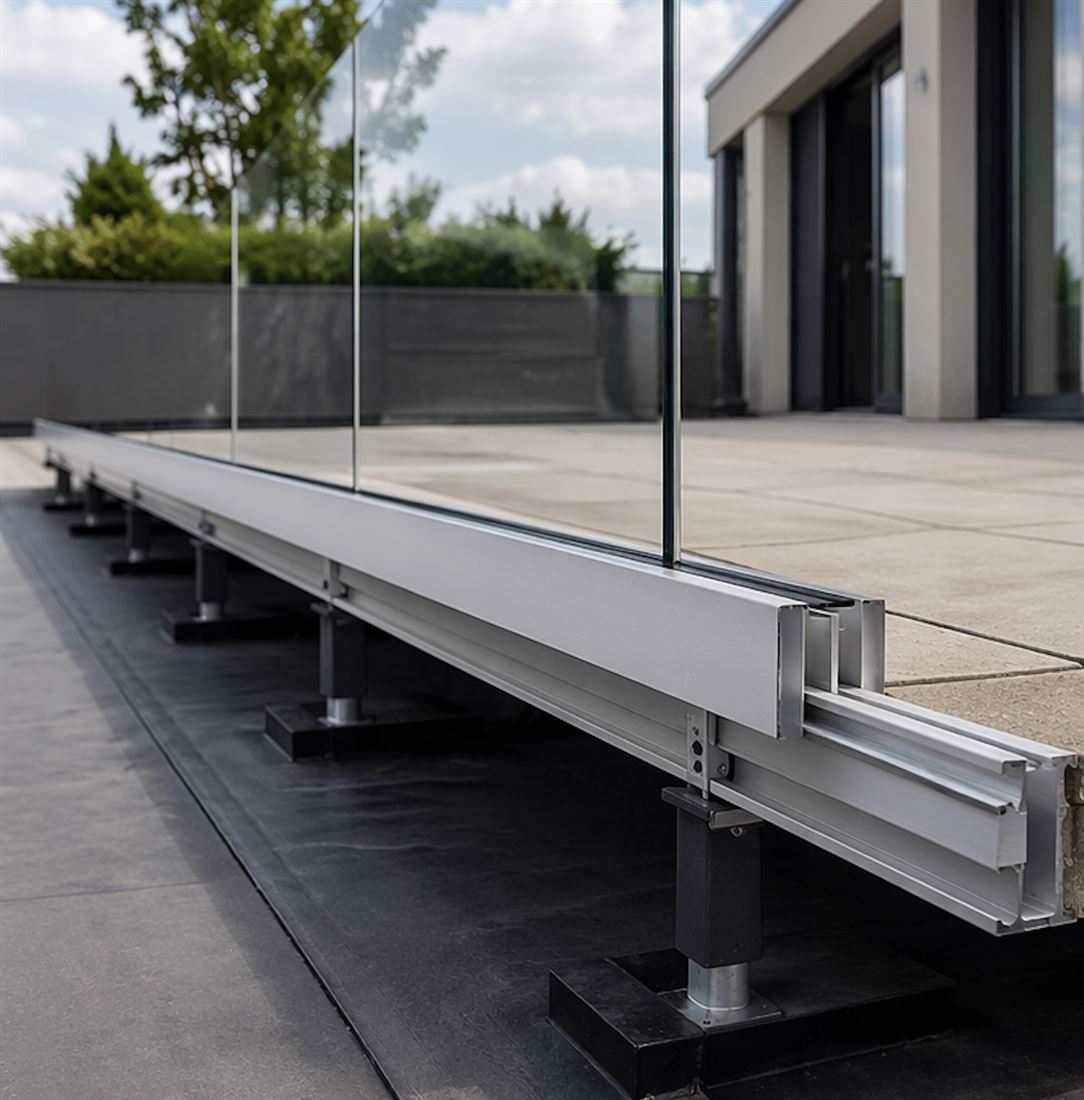
As projects become more complex and expectations around durability and maintenance grow, the role of detailing in long-term performance is coming under closer scrutiny. Systems such as BalcoDeck® have been developed in response to this shift, enabling balustrades and terrace structures to be supported above the waterproof membrane rather than through it. By maintaining membrane continuity and reducing reliance on sealant-dependent penetrations, these approaches aim to simplify detailing, reduce long-term risk and improve the durability of roof terrace construction over the life of the building.