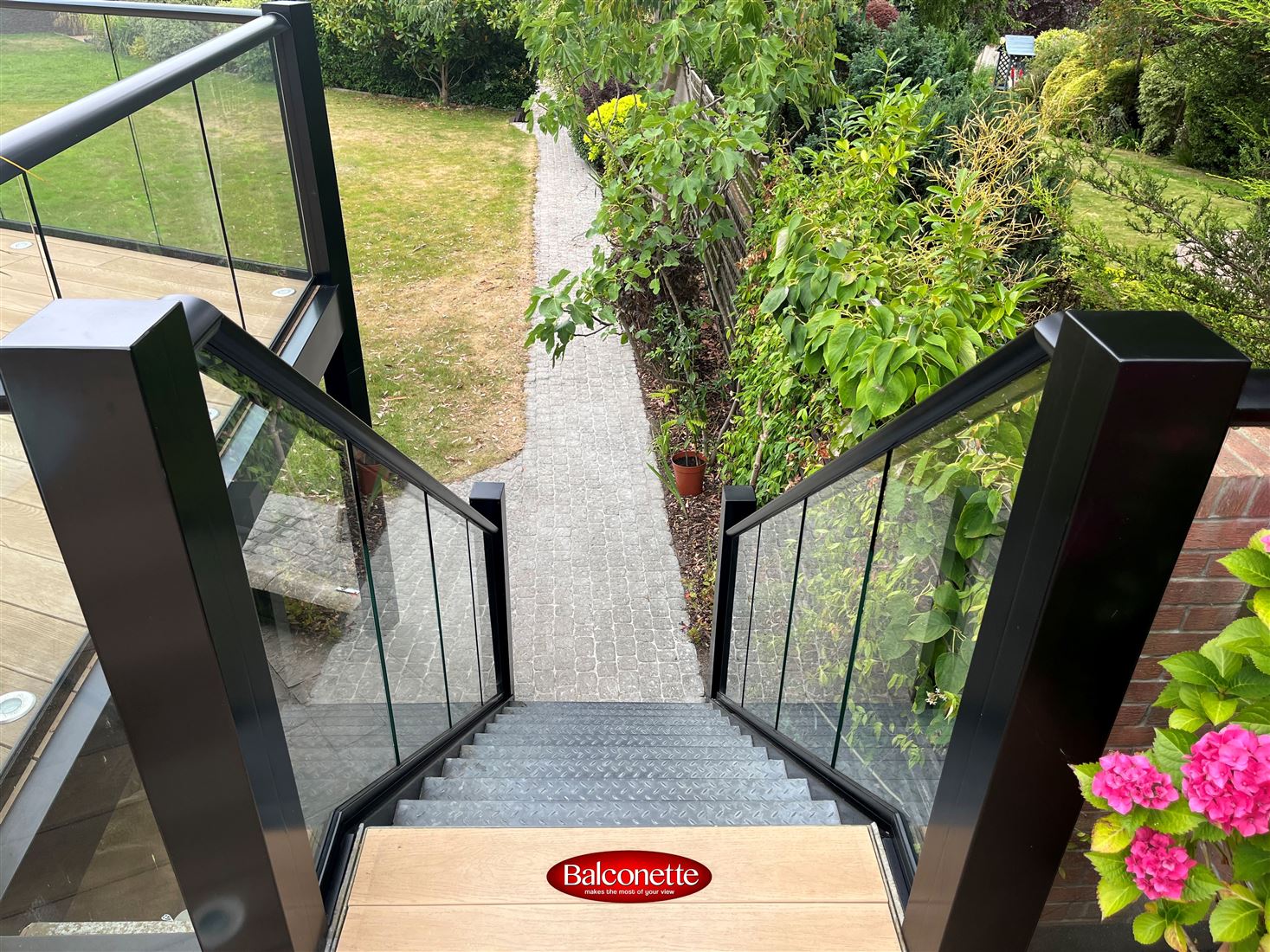
How do stair balustrades contribute to the architectural integrity of a building?
Glass Balustrades | Juliet Balconies | Galleries | Articles | Case Studies
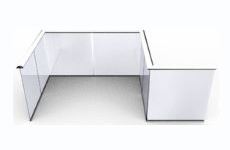
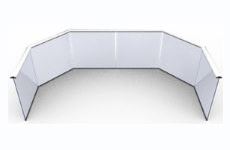
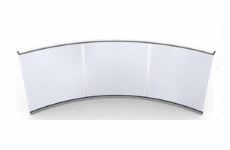
To price your balustrade requirement first choose the shape most similar to yours
Stair balustrades not only offer structural support but also serve as prominent design elements. They can be crafted from various materials such as wood, metal, glass, or even stone, each adding a unique texture and character to the staircase.
The intricate designs and patterns of balustrades can reflect different architectural styles, from classical to modern, contributing to the overall aesthetic harmony of the space. Additionally, the placement and design of stair balustrades can help define the spatial flow within a building, guiding occupants through the structure while adding visual interest to the interior.
What are some innovative materials and designs used in contemporary stair balustrades?
Innovations in materials and technology have opened up new possibilities for stair balustrade design. Architects and designers are increasingly exploring unconventional materials like recycled plastics, carbon fiber, or composite materials to create lightweight yet durable balustrades. These materials offer flexibility in design and can be molded into intricate shapes and patterns that were previously difficult to achieve.
Moreover, advancements in digital fabrication techniques, such as 3D printing and CNC milling, enable the creation of highly customized and intricately detailed balustrade designs. From minimalist wire systems to organic forms inspired by nature, contemporary stair balustrades showcase a wide range of innovative approaches that blend functionality with artistic expression.
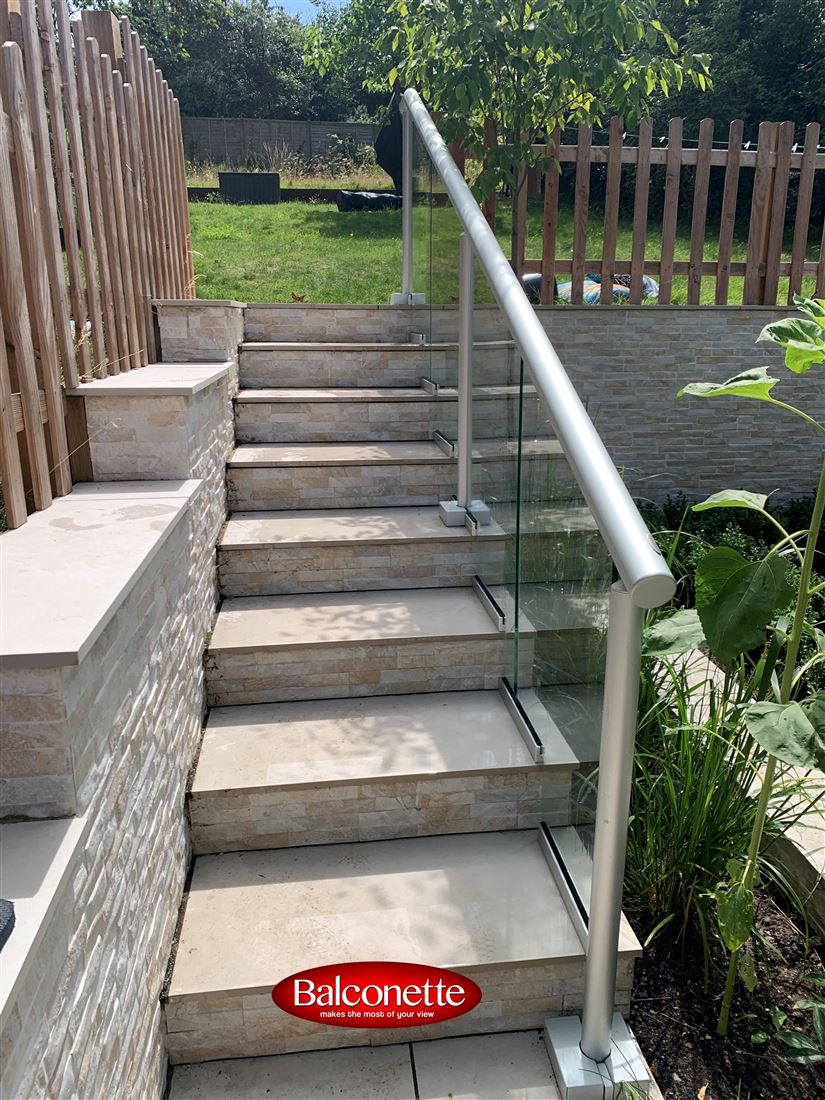
How do stair balustrades enhance safety without compromising on aesthetics?
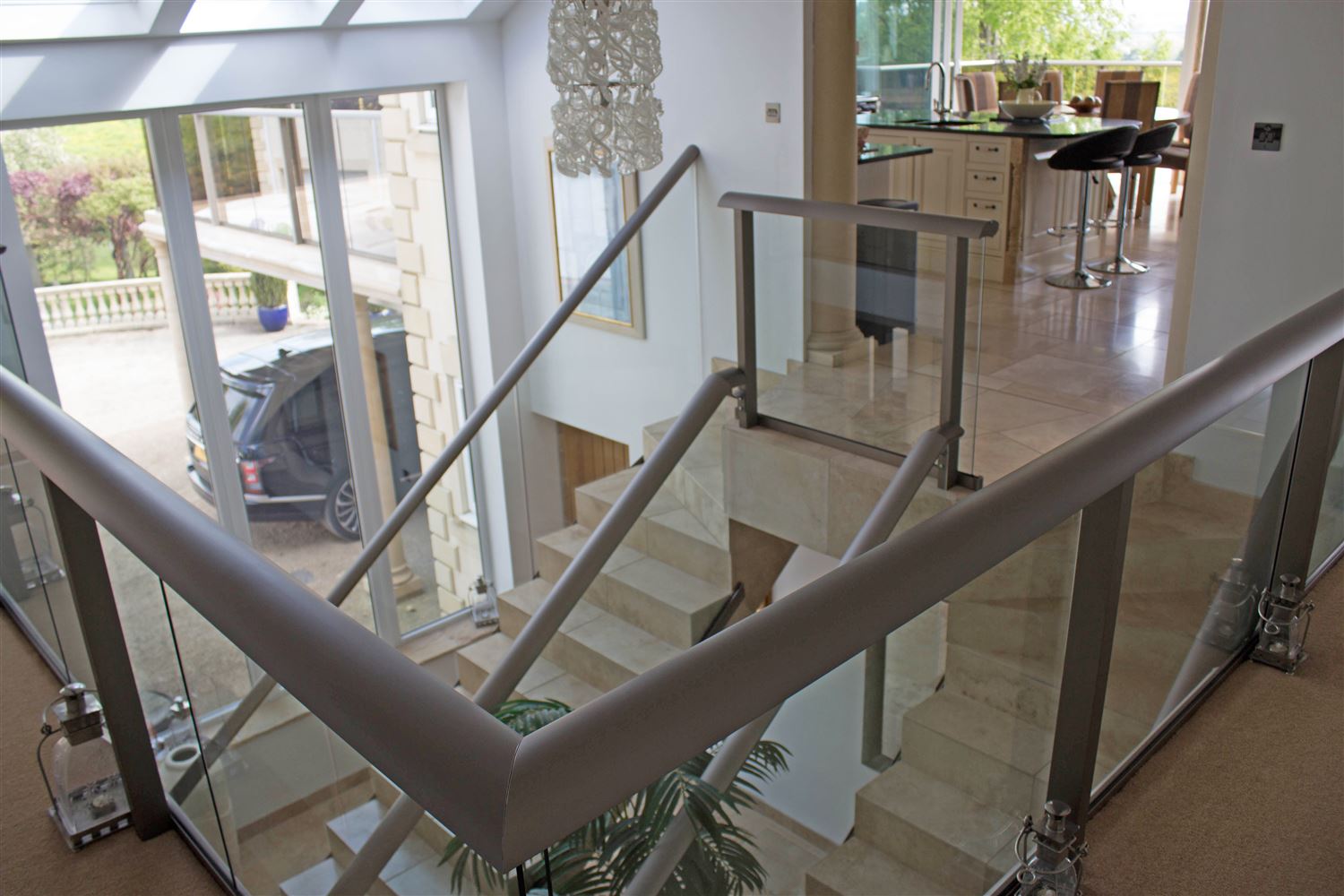
Safety is a paramount concern in architectural design, especially in high-traffic areas like staircases. Stair balustrades play a crucial role in preventing falls and accidents by providing a barrier along the edges of the staircase. While traditional balustrade designs typically feature solid barriers, modern approaches focus on maximizing transparency and openness without sacrificing safety. For instance, frameless glass balustrades offer unobstructed views while still providing a secure enclosure. Additionally, innovations like tensioned cable systems or slim-profile metal rods provide stability and support without visually overwhelming the space. By incorporating safety features seamlessly into the design, stair balustrades ensure that occupants can navigate the staircase confidently while adding elegance and sophistication to the architectural environment.