Waterproofing Balcony Surfaces
Balcony waterproofing is one of the most important aspects of balcony and terrace construction — especially where the balcony sits above rooms, living spaces, or other occupied areas. If water penetration occurs, it can cause internal damage, structural defects and expensive repairs. Traditional waterproofing and balustrade installation methods often involve drilling into the roof membrane, which carries significant long-term risk.
Today, there’s a better way — a solution that preserves waterproofing without compromise.
1. Best Option — Use BalcoDeck®: No Roof Penetration, Fully Waterproof
The leading modern solution for balcony waterproofing and finished terrace surfaces is the BalcoDeck® decking and balustrade system — a non-penetrative deck-and-balustrade platform designed specifically for waterproofed roofs.
Why BalcoDeck® Comes First
Many balcony waterproofing problems stem from drilling fixings through the waterproof membrane — whether for balustrade posts, channels, or railings. These penetrations are often the weakest link in the waterproofing system and are a well-known cause of leaks and membrane failure.
BalcoDeck® avoids this entirely.
What Is BalcoDeck®?
BalcoDeck® is a non-penetrative decking and balustrade solution designed specifically for finished, waterproofed flat roofs. It allows homeowners, builders, and architects to safely install a structurally compliant balustrade and decking system without drilling into or compromising the roof membrane.
- No penetration of the waterproof membrane — the entire structure sits independently on top of the existing roof surface without drilling into it.
- Keeps roof warranties valid — penetrations often void manufacturer warranties; BalcoDeck® respects them.
- Provides a complete deck and balustrade solution — combining waterproofed surface protection with structural strength and finished decking.
- Handles complex roof slopes — its adjustable feet and substructure conform to falls without interfering with drainage.
- Supports balustrades and usable decking — including glass balustrades, composite decking or tile finishes, without compromising waterproofing.
By placing BalcoDeck® first, property owners, architects and builders can achieve a fully waterproof, structurally sound terrace without ever drilling through the existing waterproofing layer — the primary goal of any balcony waterproofing project.
2. If You Still Choose a Traditional Penetrative Balcony Surface
If you opt not to use a non-penetrative system like BalcoDeck®, it becomes critical to understand how to waterproof the balcony surface correctly when penetrations are involved. The original methods described below are only appropriate when BalcoDeck® isn’t chosen — and they require careful implementation and ongoing maintenance.
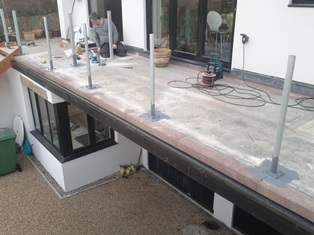
Many balcony areas and terraces are located above living spaces, whether on a flat roof above an extension, living space, kitchen, bedroom, or on the top floor of an apartment complex.
Great attention needs to be given to sealing the balcony surface and waterproofing it.
An essential part of the building works
Balcony waterproofing is necessary to protect any area underneath the balcony from water damage caused by constant water ingress. In regions prone to snow or frequent rainfall, waterproofing the balcony surfaces is a crucial aspect of the construction process and should not be underestimated.
A recent statistical survey has revealed that "Balcony Waterproofing" has the highest failure rate among all the areas in the building envelope. Surprisingly, only 1.8% of the total construction cost is allocated to waterproofing balcony areas, yet they account for a significant 83% of building defect complaints.
Sealing flat roof balcony areas, balconies on top of rooms, and terrace areas require careful planning and correct application from the start. Neglecting proper waterproofing can lead to severe consequences down the line.
Keeping a balcony safe from water
There are numerous new technologies and materials available, as well as different methods to keep your balcony protected from water. Balcony surfaces are typically constructed using concrete or timber roofs with a layer of waterproof material to cover and safeguard them. However, it's crucial to consider that concrete structures face different issues than timber or steel constructions, and materials suitable for one may not be suitable for the other. Using an improper waterproofing system or performing waterproofing poorly can lead to repetitive repairs of your balcony surface.
One common issue is the accumulation of calcium crystals and salts known as "Efflorescence," which disfigures the top edges or underside of masonry. Efflorescence is formed in the presence of water. Therefore, it's vital to choose materials with the right expansion capabilities to match the surrounding materials and ensure a good bond and seal. Proper selection and application of the waterproofing system are essential to maintain the longevity and durability of your balcony.
Correct sequence of works
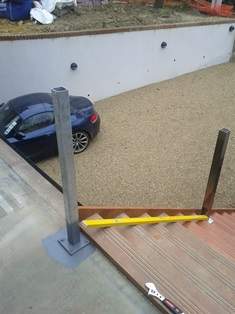
Penetrative work and fixing must be completed before water sealing and waterproofing. If you are installing a balustrade in these areas, you may need baluster posts fixed to the building's structural elements. In such cases, the sealant or balcony waterproofing material must effectively seal around these posts and remain bonded to the steel. Using a brittle substance may lead to issues, as the steel's expansion may differ from the substance, potentially causing leaks.
An excellent choice for sealing between different materials is polyurethane-based sealants like Sika flex 11FC. These materials have strong bonding capabilities, can adhere to various materials (stone, steel, glass, rubber, etc.), and offer high and low-temperature resistance. Additionally, they are UV resistant, making them ideal for areas exposed to sunlight.
When attaching any material to a finished roof, it's crucial to be mindful of water ingress and ensure proper sealing with suitable materials. Proper sealing and waterproofing are essential to protect your balcony and surrounding structures from potential water damage.
Balcony waterproofing tactics
You might consider several methods of waterproofing balcony surfaces, such as using a waterproof membrane both below and above the screed, or possibly sealing the exterior of the tiles and grout joints. Using a waterproofing membrane both below and above the screed has several benefits, including excluding moisture from the tiles and screed and better withstanding movement. Proper water channelling is crucial as well, directing water away from the surface to prevent standing water and seepage.
Following these tactics will ensure effective balcony sealing and prevent water ingress:
- Complete all penetrating works PRIOR to applying the waterproofing.
- Choose a sealant or membrane material that suits your balcony structure, balustrade materials, and roof materials.
- Ensure that any penetrating materials are applied with an additional sealant to provide extra protection.
- Implement a well-designed drainage plan for the balcony levels to prevent water pooling.
Remember, starting with the right approach from the beginning is key to achieving a successful waterproofing outcome.
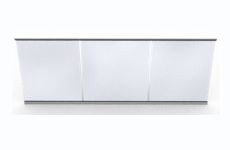
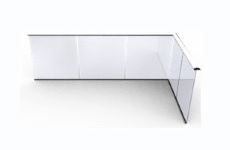
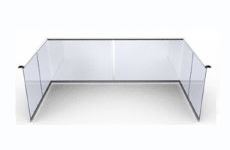
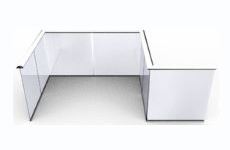
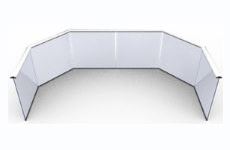
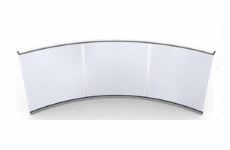
To price your balustrade requirement first choose the shape most similar to yours